Colonial confusion
It is believed that the confusing classification of cacao began with Spanish colonizers. Criollo meant "indigenous" in Spanish, while Forastero meant "foreign" or "outsider." The Spanish called the first cacao they encountered, in Mexico and Central America, Criollo. Cacao from elsewhere was then called Forastero.
But in reality, even Criollo is not native to the region where settlers first found it.
Cocoa originates from the Amazon rainforest, probably from the area where Colombia, Ecuador, Peru and Brazil meet. This means that the vast world of cocoa came from one small region.
Cacao was then spread throughout North and South America by indigenous peoples and later by colonists and settlers. Criollo was transported from the Amazon and traded until it reached the hands of the Mayans and Aztecs, who cultivated it and developed chocolate.
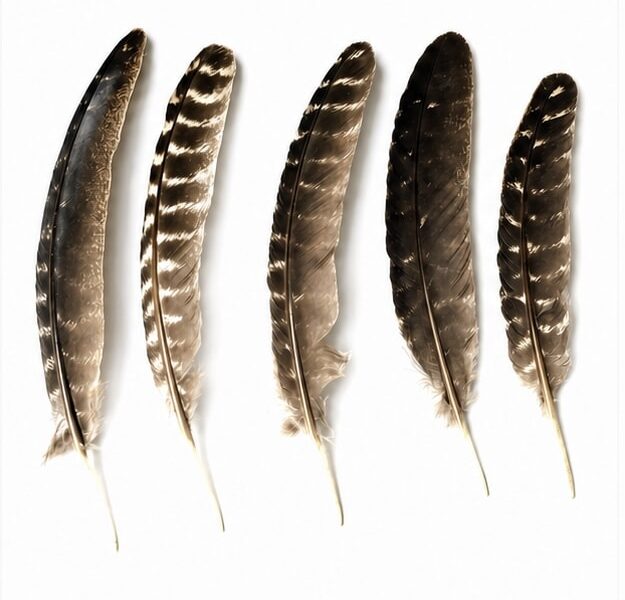

Smudge Feather – Ceremonial and Natural 1 or 5 pieces
Price range: €4,99 to €19,99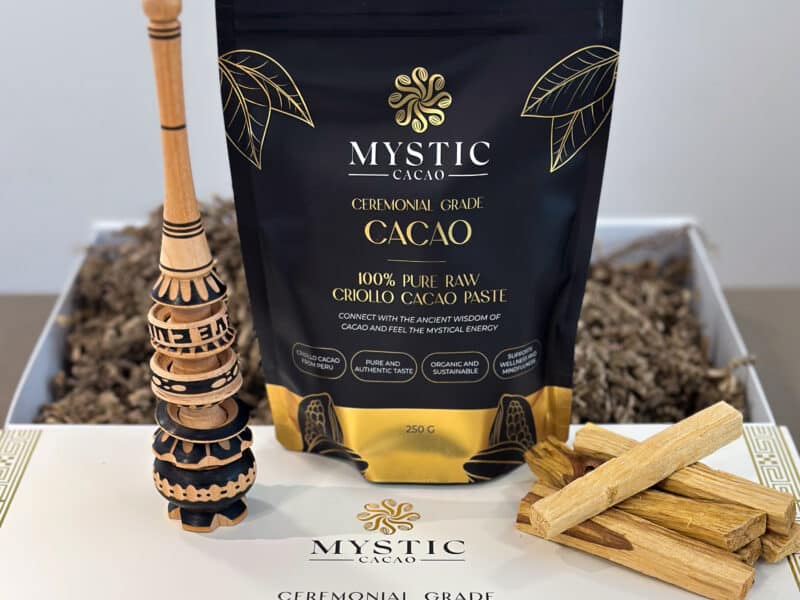
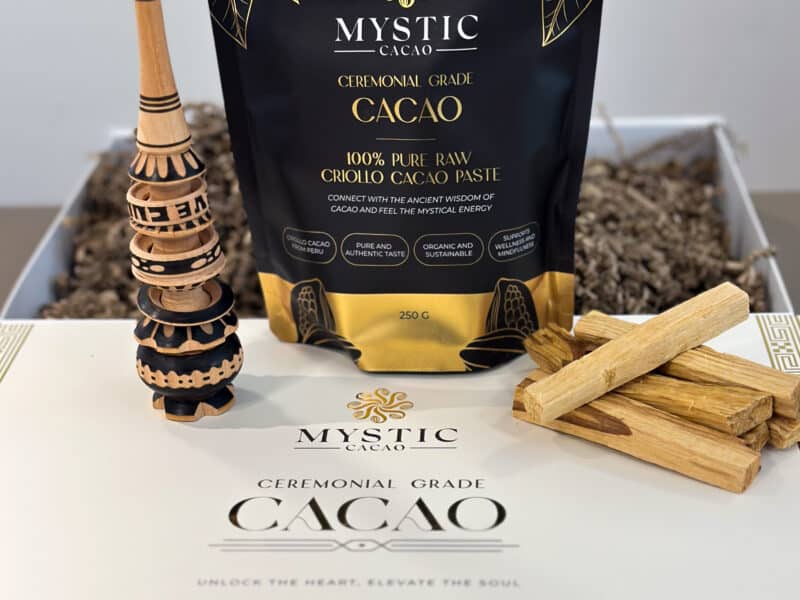
Cocoa Ceremony Starter Kit: Cocoa, Molinillo and Palo Santo
Original price was: €54,85.€ 47,50Current price is: €47,50.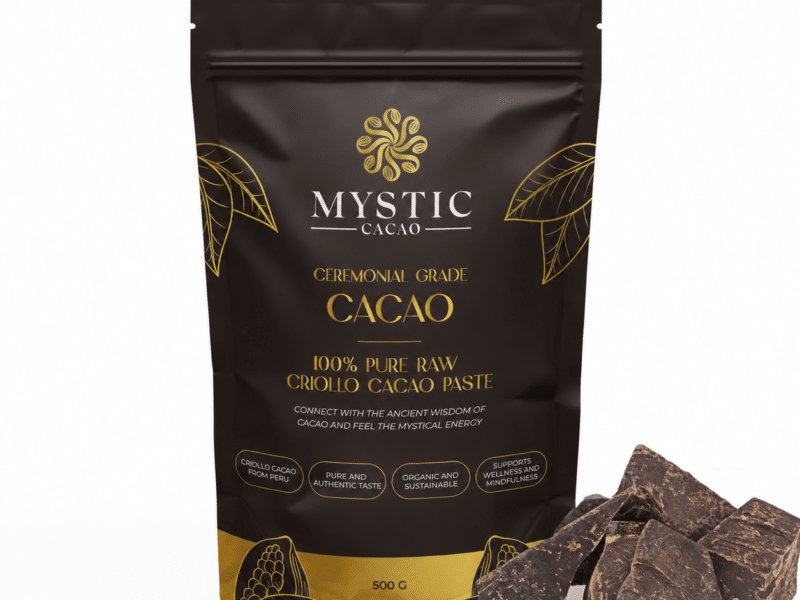
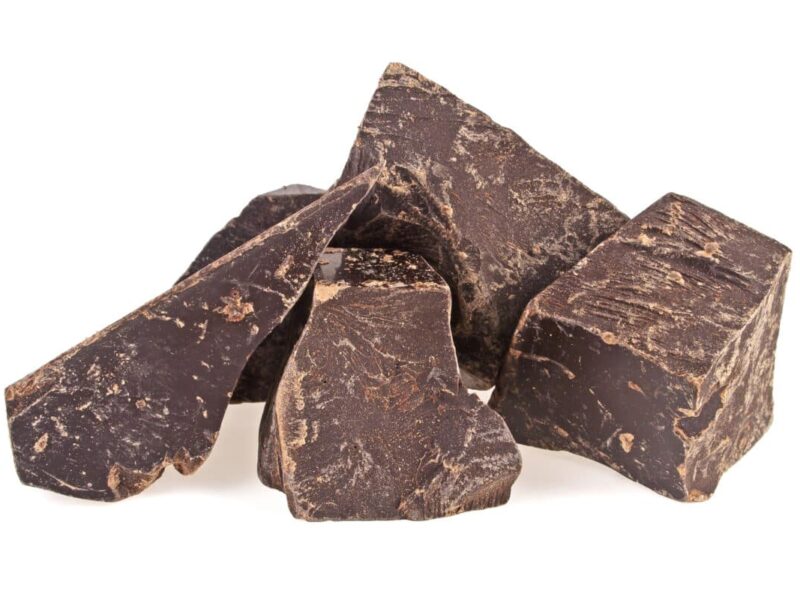
Cocoa paste Criollo Raw Bio – Ceremonial Grade (50 grams to 5kg)
Price range: €7,95 to €72,50What is cocoa actually?
Theobroma cacao is a tropical tree native to the Americas. There are about 20 different species in the Theobroma family, which came from a common ancestor and share many characteristics. Cacao's siblings Theobroma bicolor and Theobroma grandiflorum are also sometimes used to make a chocolate-like product, as they have similar properties.
About ten million years ago, cacao diverged from its common ancestor. Since then, evolution and human intervention have led to new types and the variety we see today.
Criollo
was considered the food of the gods by the ancient Mayans, but the tree is rarely found on commercial plantations today. What is known as Criollo and used to make your chocolate is actually a broad spectrum of plants with very different genomes. They generally have white seeds and fruits with Criollo-like shapes, but are genetically distinct.
Stranger
is also not a variety. It consists of ten different genetic groups that differ in shape, color and taste. Amelonado and Nacional are cultivars that are usually classified as Forastero, despite the fact that they produce beans that differ greatly in taste and shape.
Trinitario is thought to be the result of crossing Amelonado with the old Criollo in Trinidad, hence the name. However, many modern hybrids are also classified as Trinitarian. Just look at TSH clones.
Trinidad Select Hybrids
(TSH) clones are cultivated cacao plants that are usually grown on farms in Trinidad and Tobago and are considered Trinitarian. However, they are the result of breeding four parent plants, only one of which is Trinitarian. The other three parents are Forastero, so the TSH clones actually have more Forastero genetic material than Trinitarian.
The myth of the three variants?
Cocoa has long been divided into three varieties: Criollo, Forastero, and Trinitario. Conventional wisdom would have you believe that Criollo is the best, Forastero the lowest quality, and Trinitario somewhere in between. Perhaps you dream of pure Criollo, while dismissing Forastero as the cheap stuff used by the big manufacturers.
But that’s not the whole story. There are at least ten recognized varieties of cacao (and probably many more). And what we think we know about the big three isn’t exactly accurate.
Is Criollo the best variety?
For decades we have heard that Criollo is better than Forastero – but that is not entirely true.
Forastero seeds from the Bahia region of Brazil were used to start plantations in Africa and Southeast Asia. This hardy variety quickly became the dominant cacao on the market. Today it makes up over 80% of the world's production.
There are fewer Criollo plantations and they have lower yields because the plant is less resistant to diseases. This makes it rarer and more expensive. Perhaps the abundance of Forastero and the relative scarcity of Criollo influence how we think about the varieties.
Forastero is said to have a strong, less aromatic flavor that can sometimes be bitter or sour. However, this variety produces a full-bodied chocolate that some people find tasty.
Criollo is often described as mildly sour and rarely bitter. Criollo fans say it has a mild flavor with secondary aromas of nuts, caramel, fruit, and tobacco.
As for Trinitario, you'll often hear that it has the most powerful cocoa flavor of Forastero, but is generally less acidic and bitter.
However, we already know that there is much more to cacao than just these three types. And just like wine, coffee, and many other things in life, there are many factors that influence how cacao tastes: the variety, yes, but also the country of origin, the local climate and soil, the farming methods, how the chocolatier roasted and conched it…
Ultimately, the chocolate you prefer comes down to personal preference. But it's worth remembering that stereotypes aren't always accurate.
Always a good idea for a Cacao Ceremony!